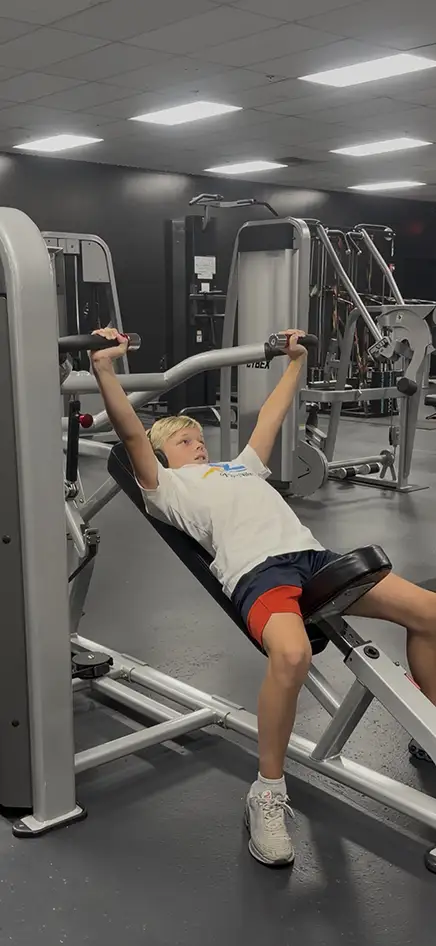
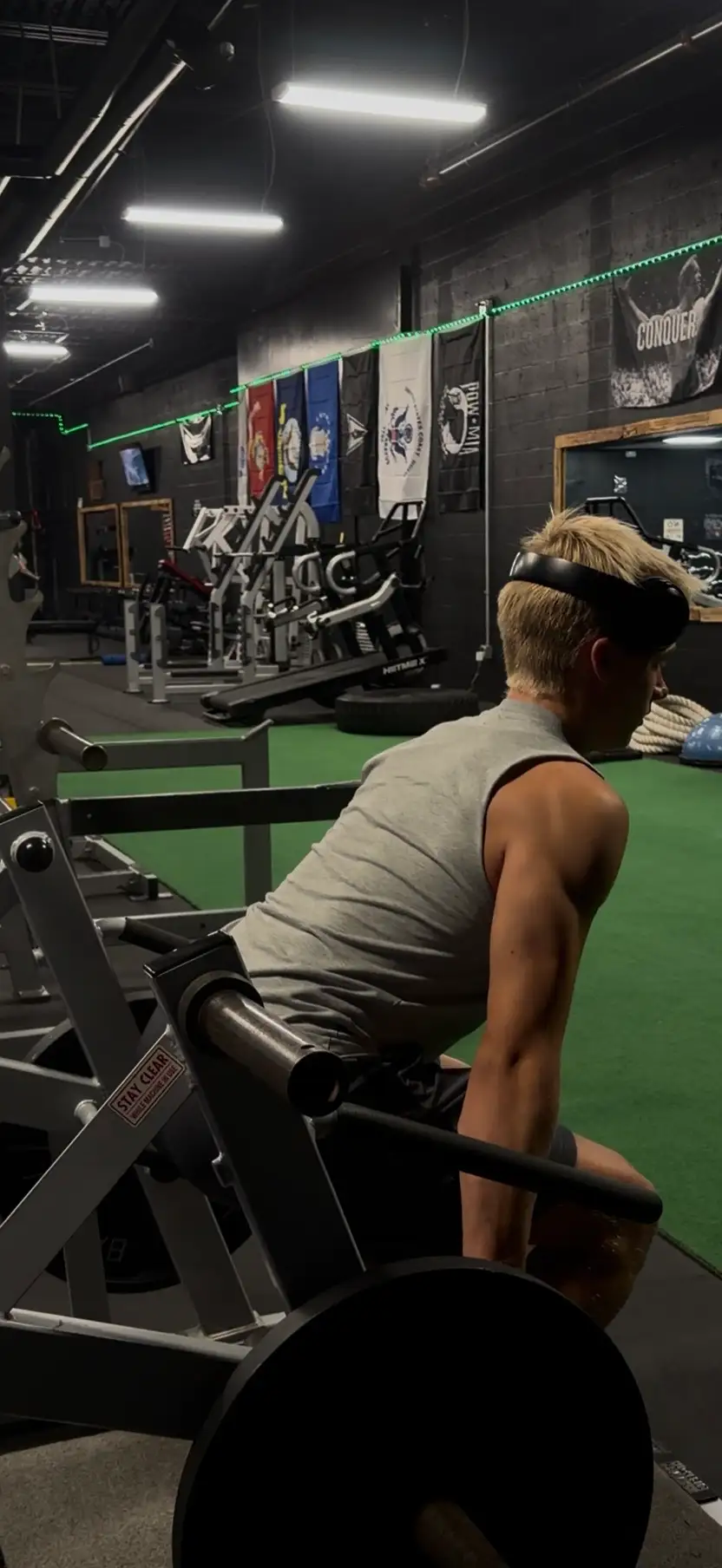
When parents think about helping their teen become a better athlete, they often focus on practices, private lessons, camps, and sport-specific training. While those are important, strength training can also play a valuable role in athletic development.
Whether a teen plays football, wrestles, runs track, plays basketball, baseball, volleyball, soccer, or another sport, building strength can help create a foundation for speed, power, balance, coordination, and body control.
Technique Comes First
Youth strength training should not be about lifting the heaviest weight possible. The priority should be learning proper movement and technique.
Young athletes can begin by mastering basic movements such as squats, lunges, hinges, pushes, pulls, carries, jumps, and landings. Resistance can then increase gradually as their technique and control improve.
Good form should always matter more than the number on the weight.
Strength and Injury Prevention
No training program can guarantee an athlete will avoid injury. Sports involve contact, falls, quick changes of direction, and other unpredictable situations.
However, appropriate strength and conditioning can help athletes prepare their bodies for the physical demands of their sport. Improving strength, balance, coordination, and body control can all be valuable parts of an overall training program.
This can be especially important during adolescence, when teenagers are experiencing rapid changes in height, weight, strength, and coordination.
It's About More Than Muscle
Strength training can also teach valuable life skills. Progress takes time, and young athletes learn that consistency, patience, and effort can produce results.
Seeing a movement become easier or a previously difficult weight become manageable can build confidence and reinforce good training habits.
More Isn't Always Better
Teen athletes already have demanding schedules filled with school, practices, games, tournaments, and other activities. Strength training should complement those commitments—not overwhelm them.
Recovery, sleep, nutrition, and managing overall training volume are just as important as the workouts themselves.
Build the Foundation
There is no single age when every athlete should begin strength training. Readiness, maturity, ability to follow instructions, and proper supervision matter.
Training doesn't have to begin with heavy barbells or advanced exercises. Bodyweight movements, resistance bands, medicine balls, and light resistance can help young athletes learn the fundamentals.
The goal isn't to train like a professional athlete. It's to develop gradually, learn good habits, and build a strong physical foundation for the future.
Master the basics, train consistently, recover properly, and let strength development become one piece of a well-rounded athletic program.